

Help for Fearful, Reactive & Aggressive Dogs in Chattanooga
Looking for help with challenging dog behavior in Chattanooga? I provide private, behavior-focused training and consulting for dogs struggling with fear, anxiety, reactivity, aggression, and other behavior concerns.
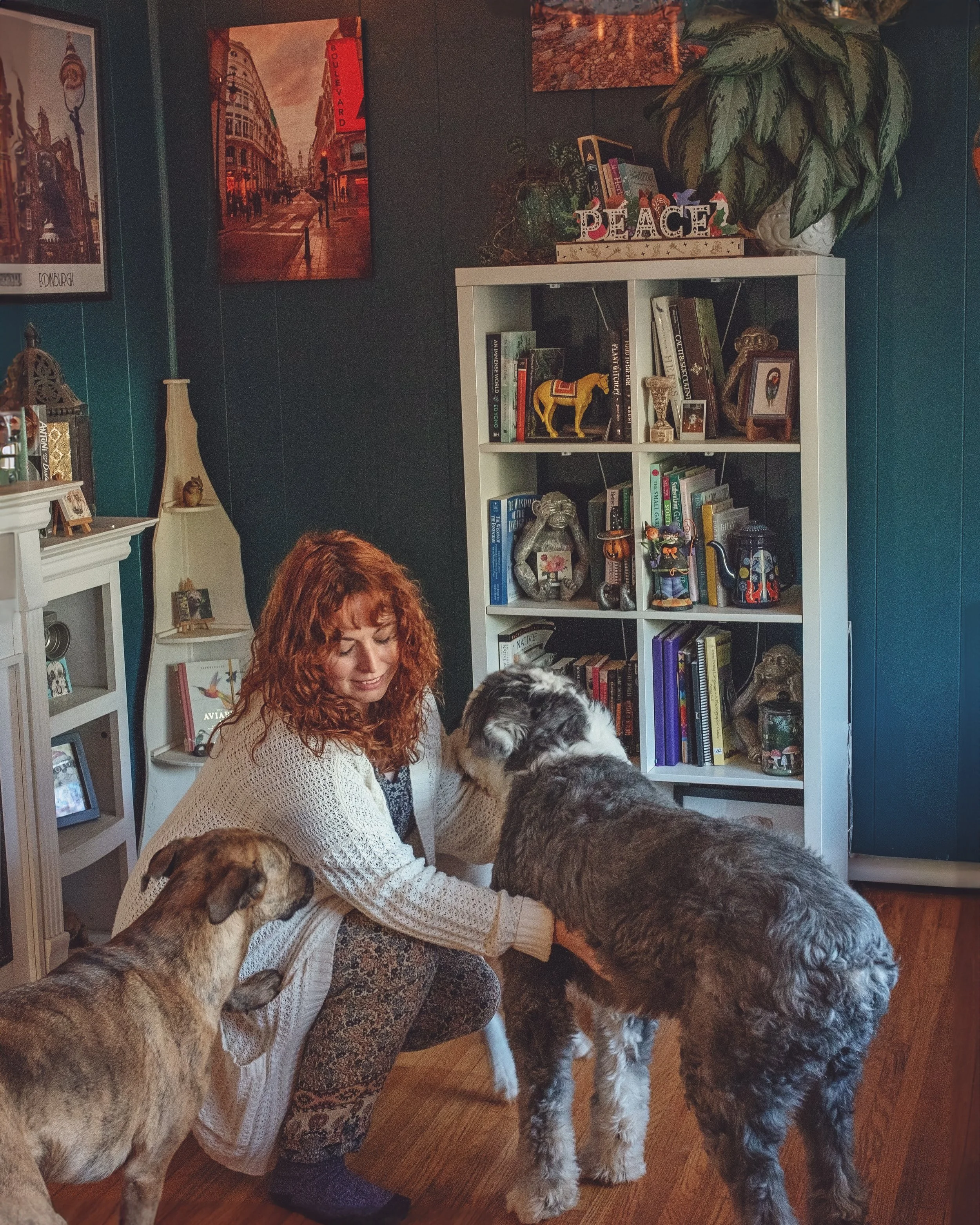
Help for Fearful, Reactive & Aggressive Dogs in Chattanooga
These behaviors often come from fear, anxiety, frustration, pain, or feeling unsafe. My goal is to find out what’s driving the behavior and address the cause through private, positive-reinforcement behavior support.
What can I help with?
barking/lunging at dogs or people on walks
growling or snapping at visitors
hiding, freezing, or shutting down
fear of unfamiliar people or environments
guarding food, toys, resting spaces, or people
handling sensitivity
veterinary or grooming fear
behavior that has escalated to snapping or biting
Fear, anxiety and reactivity can look very different from dog to dog. Barking, lunging, growling, guarding, freezing, avoidance, or difficulty settling can have different underlying causes. Fear and anxiety are common, but frustration, pain, learning history and the environment may also play a role. Understanding what is driving the behavior helps us build a plan that actually meets your dog’s needs.
Aggression & Safety Concerns
If your dog is growling, snapping, biting, or showing behavior that makes you concerned about the safety of people or other animals, we’ll begin with safety and management. That may include identifying triggers, preventing situations that are likely to escalate, and learning to recognize your dog’s earlier stress signals. From there, we can build an individualized behavior plan based on what is driving the behavior.
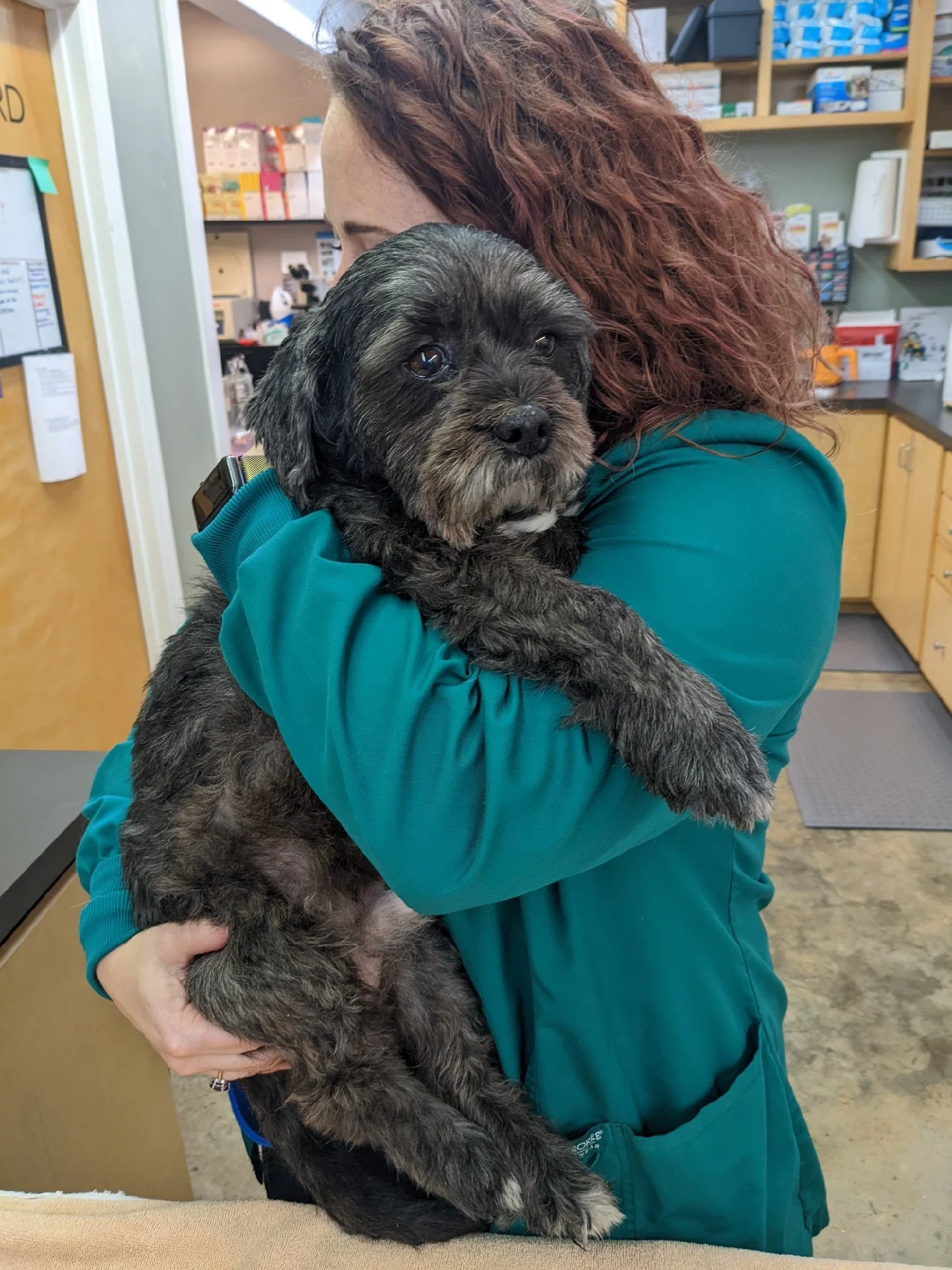
Some dogs struggle when their feet, ears, mouth, or body are handled, or become fearful during nail trims, grooming, medication, or veterinary visits. This causes stress for you and your dog, and sometimes even leads to avoiding vet appointments. With nearly two decades of experience in veterinary medicine, I can help build cooperative-care skills, reduce fear around handling, and create a plan that makes necessary care safer and less stressful for everyone.
Handling, Grooming & Veterinary Care
Sudden or unexplained behavior changes can have medical contributors, and I may recommend a thorough veterinary exam alongside our training and management plan. Things like joint pain, thyroid issues, tumors, and dental disease can contribute to aggressive and reactive behaviors and it’s important to rule these out. Additionally, some dogs benefit from medication and/or Veterinary Behaviorist involvement.
Could Pain or a Medical Issue Be Contributing?
What Behavior Support Looks Like
assess the dog, environment, history, and triggers
identify immediate management needs
reduce rehearsal of problem behaviors
teach replacement skills
practice at a level where your dog can learn without becoming overwhelmed
use gradual exposure paired with positive experiences when appropriate
adjust the plan based on the dog’s response
What you can Expect
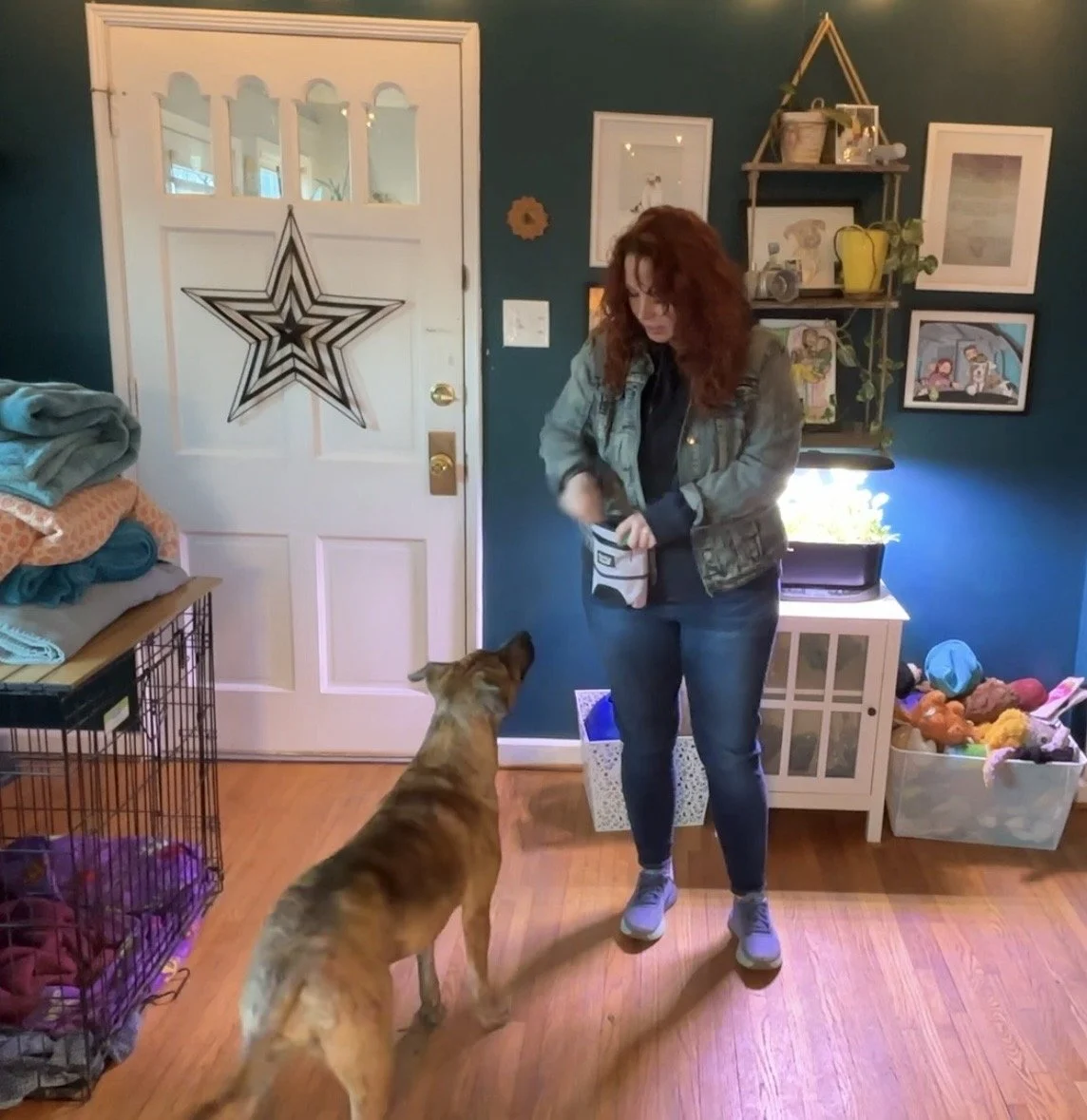
I take a science-based, evidence-supported approach to behavior. I use science-based, positive-reinforcement methods and do not use alpha rolls, intimidation, flooding, or punishment to suppress fear or warning behaviors. I also won’t promise an instant fix. Behavior change takes time, and the goal is lasting improvement—not simply suppressing communication.
Don’t wait for concerning behaviors to worsen.
Early support can make a huge difference for you and your dog.